
Understanding B1B2: A Simple Guide to the Basics

Planning a short trip to the United States can feel simple until the visa terms start appearing. One of the most common terms people see is B1B2, often written as B-1/B-2. It sounds technical, but the basic idea is straightforward: it is a visitor visa category used for temporary travel to the US.
The B-1 part generally relates to business visits. The B-2 part generally relates to tourism, family visits, medical treatment, or other personal travel. Many travellers receive a combined B-1/B-2 visa, which allows them to travel for either type of permitted purpose, depending on the trip.
This guide explains what B1B2 means, what it can be used for, what it does not allow, and how to think about the application process in a clear, practical way.

What B1B2 usually means
B1B2 usually refers to the combined US visitor visa category known as B-1/B-2.
The two parts serve different visitor purposes:
Visa part | Common purpose | Simple example |
B-1 | Temporary business activities | Attending a conference, meeting a client, negotiating a contract |
B-2 | Tourism or personal travel | Visiting family, sightseeing, attending a family event, seeking medical treatment |
A combined B-1/B-2 visa does not mean someone can work in the US. It means the person may request entry for short-term visitor activities that fit within the permitted scope.
The visa itself allows a traveler to go to a US port of entry and ask for admission. The final decision on entry and length of stay is made by US Customs and Border Protection at the airport or border. That point often surprises people, but it is a normal part of the US travel system.
The B-1 side covers temporary business visits
The B-1 category is for limited business-related activities. The key word is temporary. The traveler is not joining the US labor market and is not being paid as a US employee.
Common B-1 activities may include:
Attending a business meeting
Going to a trade show or conference
Negotiating a contract
Consulting with business associates
Taking part in short training, if it fits the rules
Settling an estate
For example, a founder from Bengaluru may travel to San Francisco to meet potential partners, attend a technology conference, and return to India after the trip. That type of visit may fit the B-1 purpose if the person is not taking up employment in the US.
A simple way to understand it is this: B-1 can cover business activity, but not regular work for a US employer.
That difference matters. Replying to emails from an Indian employer during travel is not the same as taking a paid job in the US. But if a person starts performing work for a US company while staying there as a visitor, that can create serious visa issues.
The B-2 side covers tourism and personal visits
The B-2 category is the more familiar visitor side. It is for short personal travel, such as tourism, family visits, and certain medical reasons.
Common B-2 activities may include:
Taking a holiday in the US
Visiting relatives or friends
Attending a wedding or family function
Getting medical treatment
Joining a short recreational course, such as a cooking class, if it is not for academic credit
Visiting landmarks, national parks, museums, or cities
For example, a family from Mumbai may travel to New York and Washington, D.C. during school holidays and stay with relatives for part of the trip. That is a typical B-2 type of visit.
For medical travel, the applicant may need to explain the purpose clearly and show supporting documents, such as a doctor’s recommendation, appointment details, and ability to pay for treatment and living costs.

What a B1B2 visa does not allow
A visitor visa has limits. Understanding those limits is just as important as understanding the benefits.
A B-1/B-2 visa generally does not allow:
Taking a paid job in the US
Working for a US company as an employee
Running daily operations of a US-based business from inside the US
Studying full time at a school, college, or university
Staying permanently in the US
Using repeated long visits as a way to live in the US
Performing paid public shows or professional activities without the right visa category
Short visits are fine when they match the visa purpose. Problems can arise when the travel pattern looks less like visiting and more like living in the US.
For instance, someone who stays for several months, returns to India briefly, and then goes back again for another long stay may face questions. The officer may ask what the person does in India, how they support themselves, and why they are spending so much time in the US.
The basic expectation is clear: a visitor should have a temporary purpose and a reason to return home.
The visa and the permitted stay are not the same thing
This is one of the most common points of confusion.
A visa can be valid for a certain period, but that does not automatically decide how long a person may stay during each trip. The visa validity only shows the period during which the traveler may use it to seek entry into the US.
The permitted stay is decided when the traveler enters the US. It is usually recorded electronically on Form I-94.
Think of it like this:
Term | What it means |
Visa validity | The period during which the visa can be used to travel to a US port of entry |
Entry approval | The officer’s decision to allow the traveler into the US |
Permitted stay | The time the traveler is allowed to remain in the US for that visit |
A person may have a visa that is valid for years, but each visit still needs to be temporary and within the permitted stay. Overstaying can affect future travel and future visa applications.
What officers look for in a visitor visa application
Visa officers usually look at the full picture. There is no single document that guarantees approval. The officer tries to assess whether the applicant has a genuine temporary purpose and whether they are likely to return after the visit.
Common factors may include:
Purpose of travel
Travel history
Job, business, or studies in India
Family and social ties
Financial ability to pay for the trip
Length of planned stay
Previous visa compliance
Clarity and honesty during the interview
Strong documentation can help, but the interview matters too. Clear answers are better than memorised lines. If the trip is for tourism, say so plainly. If it is for a conference, explain the event and why attending makes sense.
For many Indian applicants, the application process includes completing the DS-160 form, paying the visa fee, scheduling appointments, and attending a visa interview. Process steps can change, so applicants should always check the official US visa website for India before making plans.
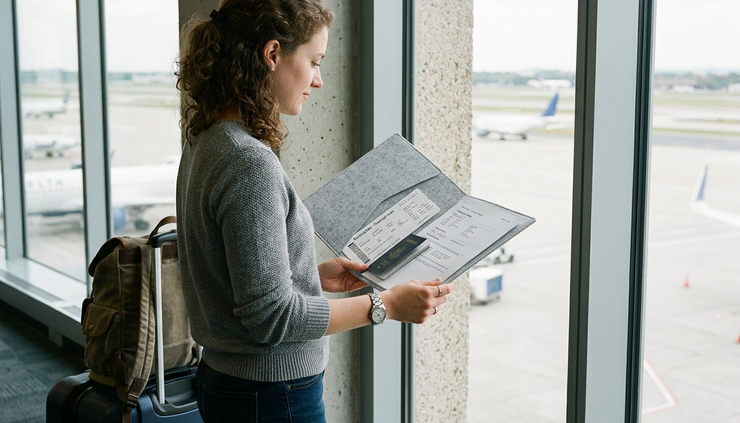
Documents that may support the application
Documents should match the reason for travel. More papers do not always mean a stronger case. The useful documents are the ones that help explain the trip clearly.
For tourism or family visits, useful documents may include:
Valid passport
DS-160 confirmation page
Appointment confirmation
Travel plan or rough itinerary
Proof of employment, business, or studies in India
Bank statements or financial documents
Invitation letter from relatives or friends, if relevant
Evidence of family ties in India, if relevant
For business visits, useful documents may include:
Invitation from the event organizer or business contact
Conference registration details
Letter from the Indian employer explaining the visit
Proof of business ownership, if self-employed
Travel itinerary
Evidence that the trip costs can be covered
For medical visits, useful documents may include:
Medical diagnosis or recommendation from a doctor
Appointment or treatment letter from a US medical provider
Cost estimate, if available
Proof of funds for treatment, travel, and stay
Explanation of expected treatment duration
The aim is not to overwhelm the officer. The aim is to make the visit easy to understand.
How to explain the purpose of travel
A good travel explanation is specific, short, and believable.
Weak explanation:
“I want to go to the US because I have always wanted to visit.”
Better explanation:
“I plan to visit my sister in Dallas for three weeks in May, attend a family function, and spend a few days sightseeing before returning to my job in Pune.”
The second answer gives the officer a clearer picture. It explains where, why, how long, and what happens after the trip.
For a business visit, a clear answer may sound like:
“I am attending a three-day industry conference in Chicago, then meeting two existing clients. My company in India is paying for the trip, and I will return after one week.”
The best answers are not dramatic. They are simple and consistent with the form, documents, and actual plans.
Common mistakes to avoid
Many visa problems come from confusion, overconfidence, or poor preparation. Avoid these common mistakes.
Giving unclear answers
If the purpose is tourism, say tourism. If the visit is for a conference, say that. Vague answers can create doubt.
Making the trip look too long for the purpose
A two-week holiday is easier to understand than a six-month stay with no clear plan. Long stays may be valid in some cases, but they need a strong explanation.
Carrying documents that do not match the story
If someone says they are attending a conference but cannot explain the event, the documents may not help.
Hiding relatives in the US
Trying to hide close family connections can be risky. It is better to answer honestly if asked.
Assuming a past visa guarantees future entry
A valid visa helps, but each entry is assessed separately.
Using a visitor visa for work or study
This is one of the biggest mistakes. If the real purpose is work, study, or migration, a visitor visa is usually the wrong category.
The allowed stay is decided at entry and shown on the I-94 record. Many visitors are granted a stay that fits the purpose of travel, but the exact period is not something to assume before arrival.
Even if a longer stay is granted, travellers should still keep their visit reasonable. If the stated plan was a three-week holiday, staying for many months may raise questions during future travel.
A good habit is to keep records of:
Entry date
I-94 permitted stay date
Return ticket details
Any change in travel plans
Proof of departure from the US
If a traveler needs to extend their stay, there is a formal process, but approval is not automatic. It is better to plan realistically from the start.

Simple checklist before applying
Before applying for a B-1/B-2 visa, it helps to answer a few basic questions:
Why am I travelling?
Is my purpose allowed under B-1, B-2, or both?
How long do I really need to stay?
Who will pay for the trip?
What ties do I have in India?
Are my form answers accurate?
Can I explain my plan in simple words?
Do my documents support my travel purpose?
Have I checked the latest official process?
If these answers are unclear, pause before applying. A rushed application can lead to weak answers and avoidable mistakes.
A practical way to think about B1B2
The easiest way to understand the B-1/B-2 visa is to think of it as a temporary visitor visa for specific short-term purposes.
It is useful for traveler's who want to attend meetings, visit family, take a holiday, attend events, or receive medical treatment. It is not meant for employment, long-term study, or living in the US.
For most applicants, the strongest approach is simple:
Be honest
Keep the purpose clear
Match the documents to the plan
Show why the visit is temporary
Follow the rules during every trip
This article is general information, not legal advice. Visa rules and procedures can change, so always check official sources or speak with a qualified immigration professional for personal guidance.
A B-1/B-2 visa can make short US travel possible, but the basics matter. Know your purpose, plan a realistic visit, and keep the trip within the visitor rules. That is the safest foundation for a smooth travel experience.

Comments